Baltimore was obviously named for Lord Baltimore – problem is, there were 6 of them. George Calvert, the 1st Lord Baltimore (and who incidentally was also the Governor of Newfoundland), was born in 1579, at the height of Queen Elizabeth I’s reign in England and 8 years before her cousin Mary Queen of Scots was executed. George conceived the colony and drew up it’s charter. Originally conceived as a refuge for English Catholics, when George died in 1632, King Charles I (Mary QoS’s grandson) gave the charter to his son, Cecil Calvert, who became the 2nd Lord Baltimore. The final charter was given in June 1632, with changes made to accommodate the Virginia colony to the south – whose citizens were none to pleased about the competition to the north. Cecil never traveled to Maryland, but instead sent his younger brother Leonard to act as the colony’s 1st Proprietary Governor.
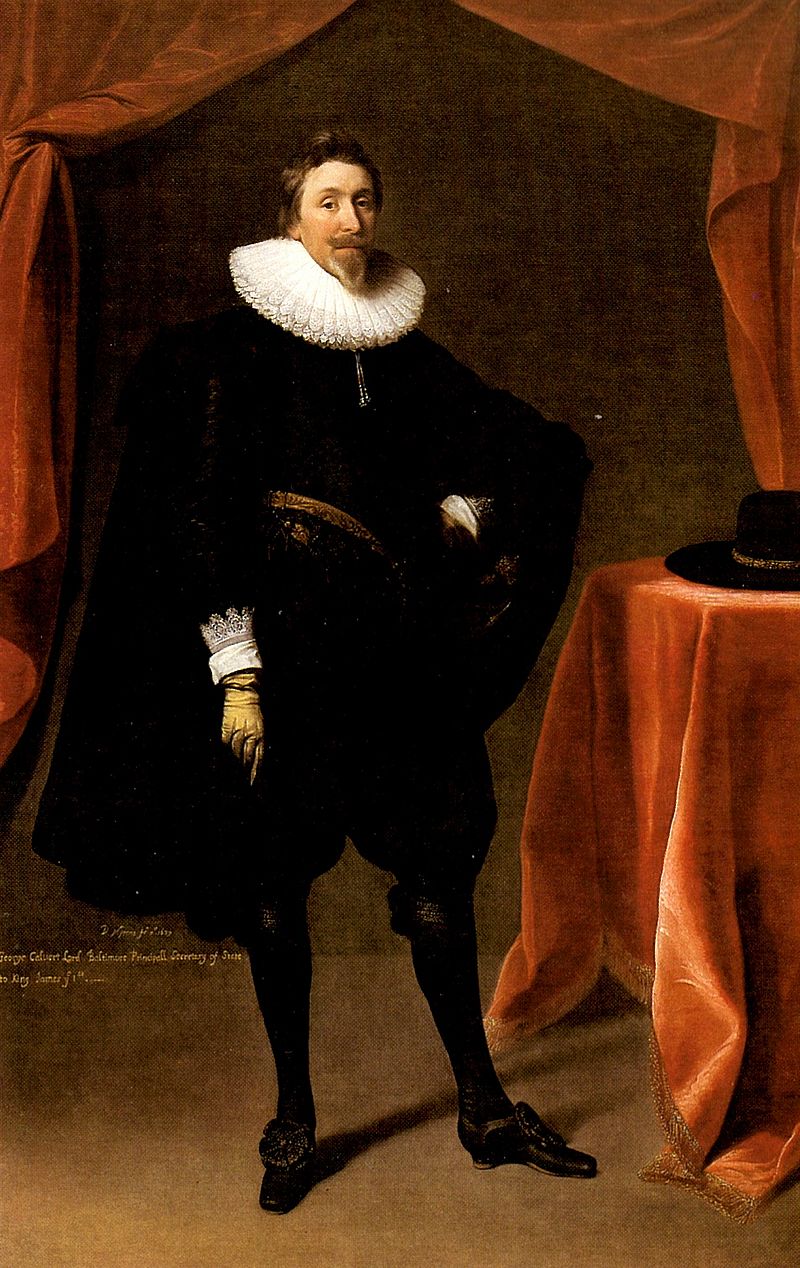
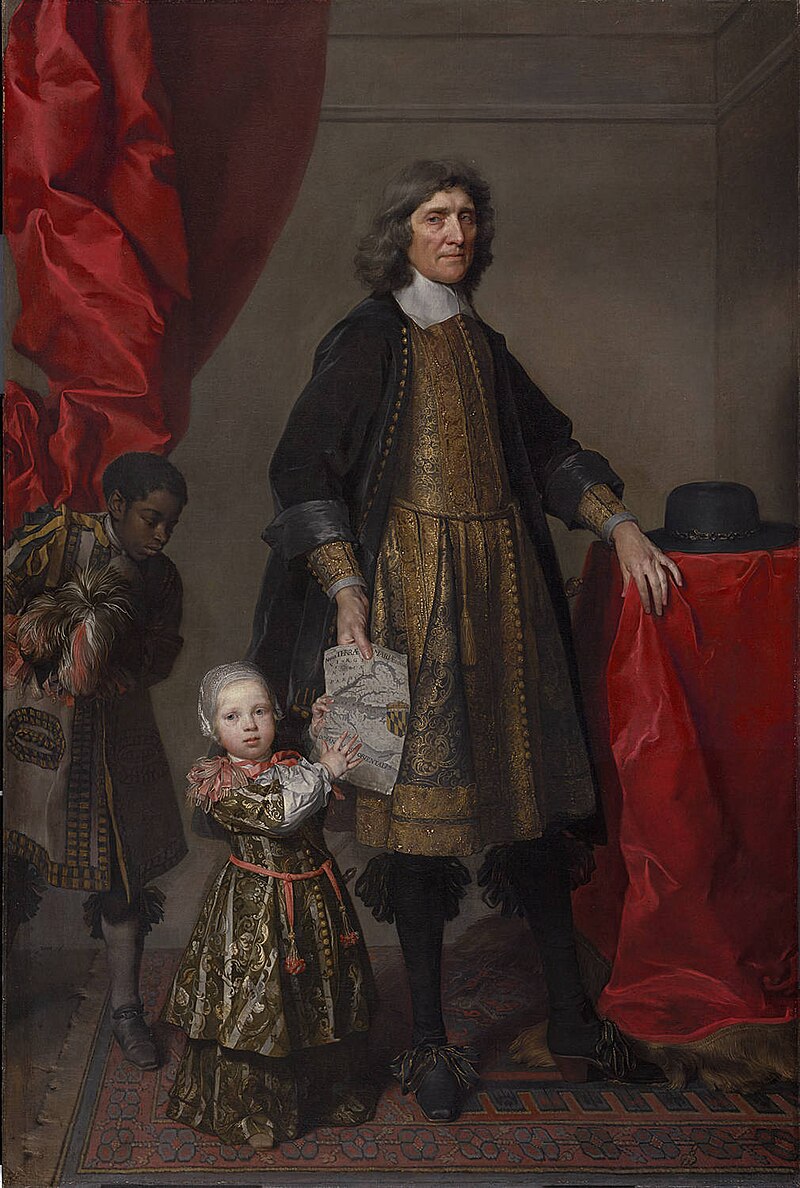

Left – George Calvert, 1st Baron Baltimore; Center – Cecil Calvert, 2nd baron Baltimore; Right – Leonard Calvert
Charles Calvert, 3rd Lord Baltimore, inherited the colony after the death of his father Cecil in 1675. He had been the Governor of Maryland but left the colony in 1684 and never came back. In 1688 Parliament replaced King James II with his daughter Mary and her husband William of Orange. As a result, Calvert lost the title to Maryland and in 1689, the charter was withdrawn. Maryland was now ruled directly by the British Crown. James II had been lenient religiously and the Calvert family was Catholic; William of Orange was a staunch Protestant. The 3rd Lord Baltimore died in 1715, leaving his title to his son Benedict. Benedict joined the Church of England and immediately petitioned to have the title to Maryland restored to the family. No sooner had he done then he died as well, some 2 months after his father. It is his son, Charles Calvert, the 5th Lord Baltimore who was the Governor when the city itself was founded.
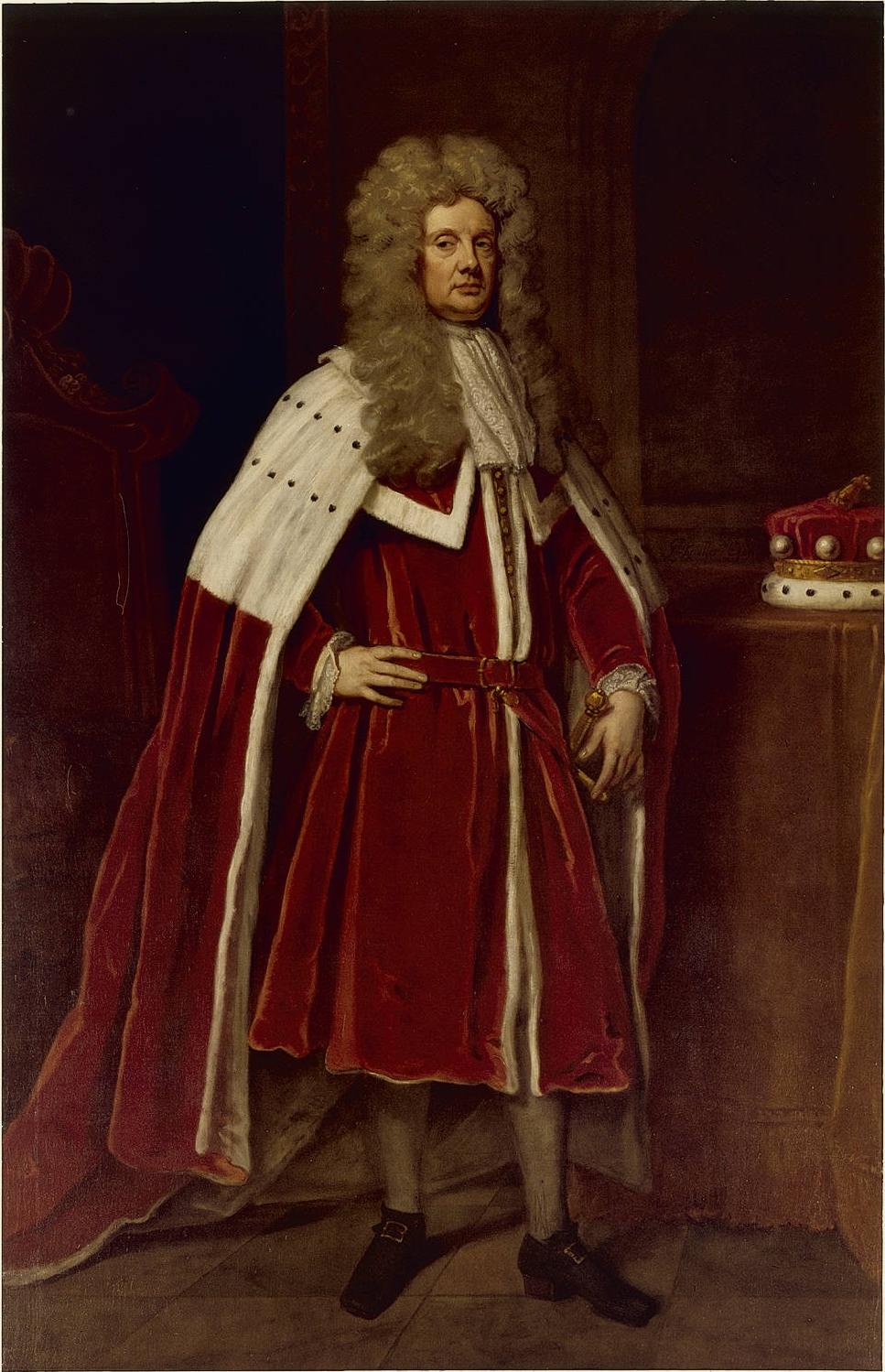
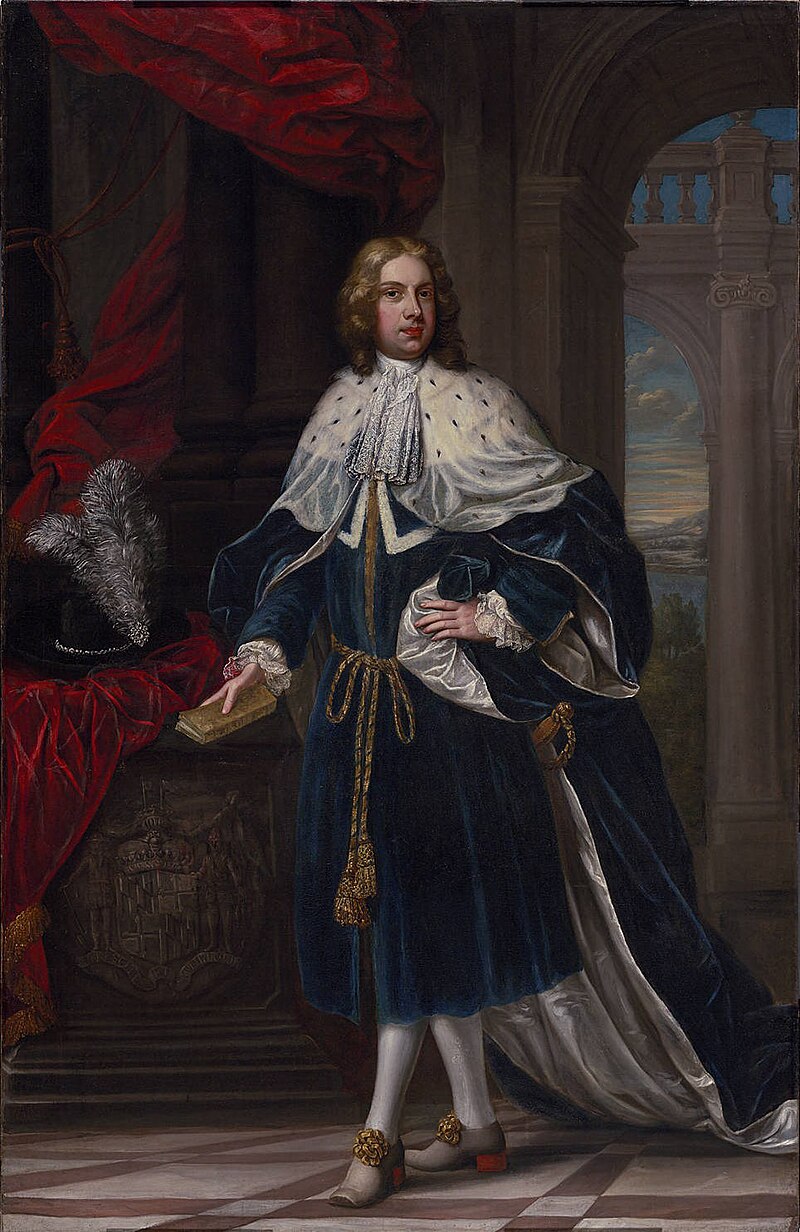
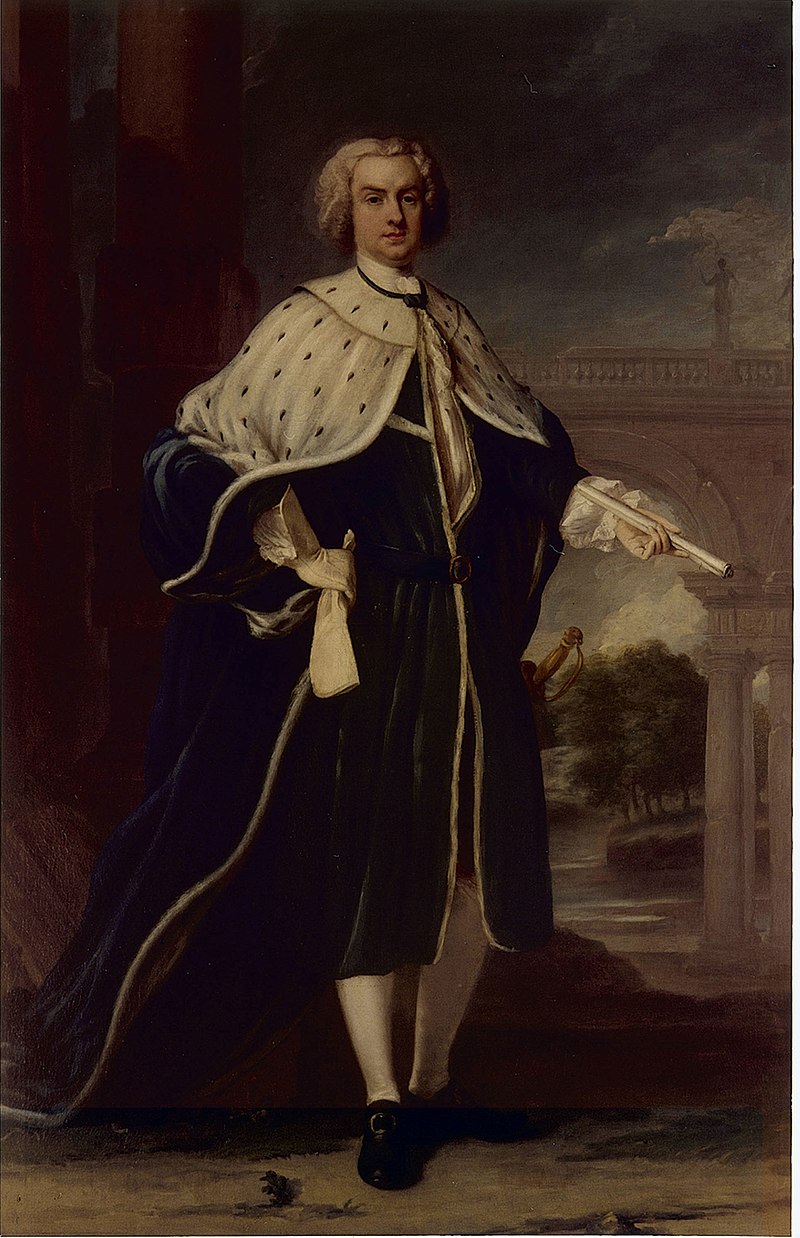
Left – Charles Calvert, 3rd Lord Baltimore; Center – Benedict Calvert, 4th Lord Baltimore; Right – Charles Calvert – 5th Lord Baltimore
Frederick, The 6th Lord Baltimore, was a bit of a rake and ruled Maryland almost as his own kingdom, despite the fact that he never set foot in it. He died at 39, his reputation ruined by scandal, gossip and a rape trail. Acquitted, he fled to Europe, where he contracted a fever in Naples and subsequently died. He left the proprietorship of Maryland to his illegitimate son, Henry Harford. Despite being born out of wedlock, most Marylanders were happy to see him when he showed up as Lord Proprietor. Harford County is named after him. Unfortunately for Henry, Maryland’s governor, Robert Eden, disputed his claim on behalf of his wife Caroline, who just happened to be Harford’s aunt. By the time it got sorted in the English courts, a tiny little problem arose called the American Revolution. Harford’s estates in Maryland were confiscated and sold to help fund the militia and the new government. Harford came to Maryland in 1783 in an attempt to reclaim his estates but was almost immediately shot down by the Maryland General Assembly. He had been awarded his father’s estates in England by Act of Parliament, so back to England he went hoping for better luck there. The British government was compensating Loyalists who had suffered losses during the Revolution and thus, Henry was awarded 100,000 pounds.

Frederick Calvert, 6th Lord Baltimore
 Baltimore Through My Eyes